
It’s March, which means spring travel is officially on everyone’s mind.
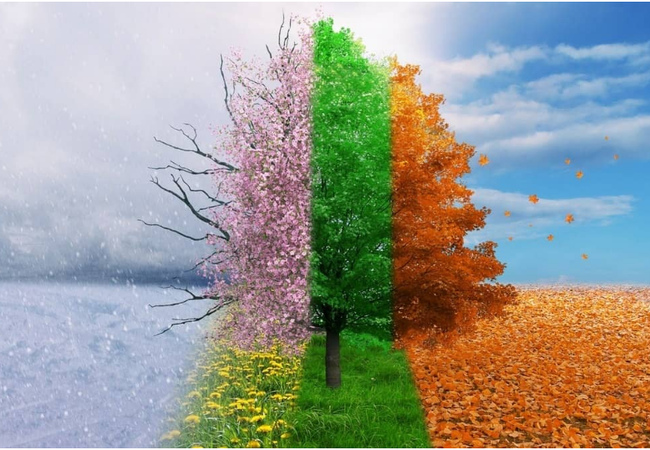
But if you’ve noticed unpredictable weather, shifting peak seasons, or headlines about rising sea levels… you’re not imagining it. Climate change is actively reshaping how, when, and where we travel.
If you’re based in the U.S. but love exploring international destinations (like our Travel Chics community 😉), here’s what you need to know before you book your next trip.

1. Travel Seasons Are Shifting
“Peak season” doesn’t always mean what it used to.
Destinations that were once predictable are now experiencing:
-
Longer heatwaves
-
Shorter winters
-
Delayed or intensified rainy seasons
-
Unusual storm patterns
For example:
-
Summers in parts of Italy and Greece have brought record-breaking heat in recent years.
-
Ski seasons in the Switzerland Alps are becoming shorter due to reduced snowfall.
What this means for you:
March and shoulder seasons (April–May, September–October) are becoming smarter, more comfortable times to travel. You’ll often get better weather, fewer crowds, and better pricing.

2. Rising Sea Levels Are Impacting Island Destinations
Many bucket-list islands are feeling the effects of rising sea levels and coastal erosion.
Places like:
-
Maldives
-
Bahamas
-
Seychelles
are investing heavily in sustainability, reef protection, and eco-conscious tourism.
What this means for you:
Be a responsible traveler. Choose eco-certified resorts, respect marine life, and support local conservation efforts. Your tourism dollars matter.

3. Extreme Weather Is Affecting Planning
Hurricane seasons are becoming more intense in parts of the Caribbean. Wildfires have affected destinations like Australia and parts of United States.
What this means for you:
-
Always purchase travel insurance.
-
Be flexible with your itinerary.
-
Book with travel professionals who monitor global conditions (hi, Travel Chics fam).

4. Tourism Is Adapting — and So Should We
The good news? The travel industry is evolving.
Around the world, destinations are:
-
Limiting visitor numbers in fragile areas
-
Promoting eco-lodges and sustainable hotels
-
Encouraging off-season travel
-
Investing in renewable energy
Cities like Amsterdam and Barcelona are actively managing overtourism to protect their communities.
Travel is no longer just about where you go — it’s about how you go.

So, What Should You Do Before You Go?
Here’s your smart traveler checklist:
✔ Research seasonal weather trends (not just “high season”)
✔ Consider shoulder-season travel
✔ Book refundable or flexible options
✔ Get travel insurance
✔ Support sustainable and locally owned businesses
✔ Pack responsibly (reusable bottles, reef-safe sunscreen, etc.)
Final Thoughts
Climate change isn’t stopping travel but it is changing it.
As modern travelers (especially those of us flying from the U.S. to explore the world), we have the opportunity to travel smarter, more intentionally, and more responsibly.
The goal isn’t to travel less.
It’s to travel better.
Because the world is still beautiful — and it’s still worth seeing. 💛